
2026TIFA 法朵天后瑪麗莎演唱會
活動介紹
國家兩廳院 NTCH
The Fado queen Mariza comes to Taiwan for the first time. Hear the voice that can change even fate!
Fado means fate in Portuguese. With its melancholic melodies, it laments the impermanence of life and is known as the sound of Portugal’s soul.
Growing up in Lisbon, Mariza became familiar with the old streets of Mouraria and Alfama and the sorrowful and subtle sounds of Fado. She has revitalized this traditional genre of music with her captivating voice, imbued with the passion of her African heritage. Taking to the stage, she has successfully elevated these old songs of sorrow to magnificent modern creations!
Mariza’s impressive achievements include more than 30 certified platinum albums and countless international accolades. Rolling Stone magazine has called attention to her reinvention of Fado, noting that it possesses the energy of “exuberant 21st-century pop.” A leading figure in the Fado revival, she makes her Taiwan debut, bringing the soulful vocals of Lisbon’s alleyways that resonate deep within the heart.
Cast
Singer|Mariza
Portuguese Guitar|Luis Guerreiro
Acoustic Guitar|Eduardo Faustino
Bass Guitar|Gabriel Salles
Drums & Percussion|Francisco Santos
Accordion|João Fradee
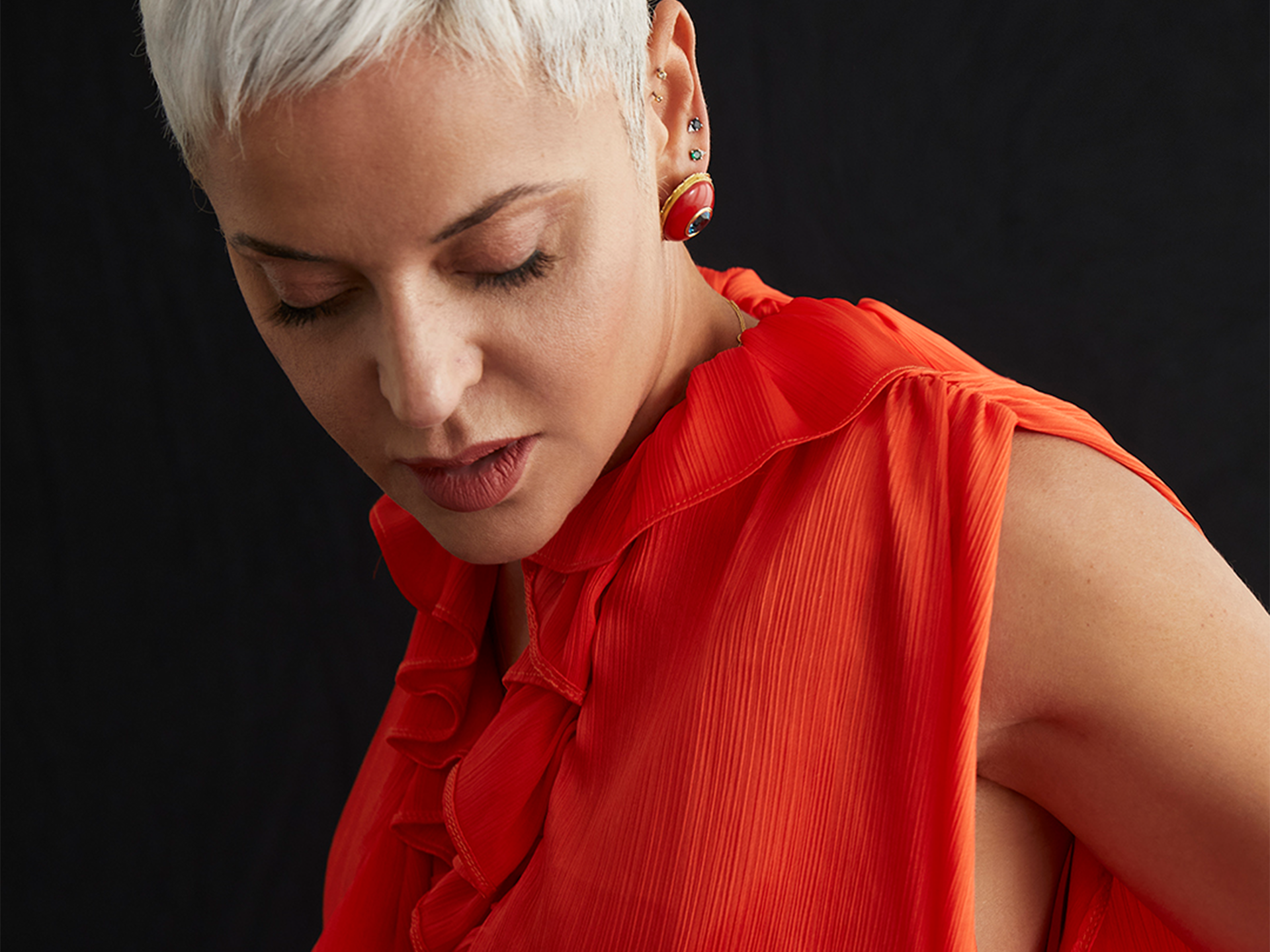
“a heartstopping, haunting night with fado’s queen”—— The Times
“Mariza is a dazzling, captivating force to behold”—— The Telegraph
Mariza
Born in Mozambique, but raised since she was a girl in one of the most emblematic and traditional neighbourhoods of Lisbon, Mouraria, Mariza was influenced from a very early age by the musical culture that inhabits every corner: Fado.
Inspired by the big names and the voices of unavoidable reference, it quickly became a local phenomenon and made her name echo across borders. Heiress to the state of mind of the Portuguese people, Mariza rose to world heritage status, made the world her stage and seduced the most demanding audiences. Public recognition translates into over 30 platinum albums and the numerous national and international awards she has already collected. Mariza transcends her own name, she is a latent memory of emotions, she is an ambassador in her own right of a country that continues to admire her, that proudly assumes her as part of us and that continues and will always continue to applaud every note, every song and every concert.
In recent years, Mariza’s internationalization has opened up new musical horizons, transforming her into one of the most complete and respected artists in the world. In 2024, Mariza presents her new record work, the celebration of a career spanning more than two decades, winking at her future.
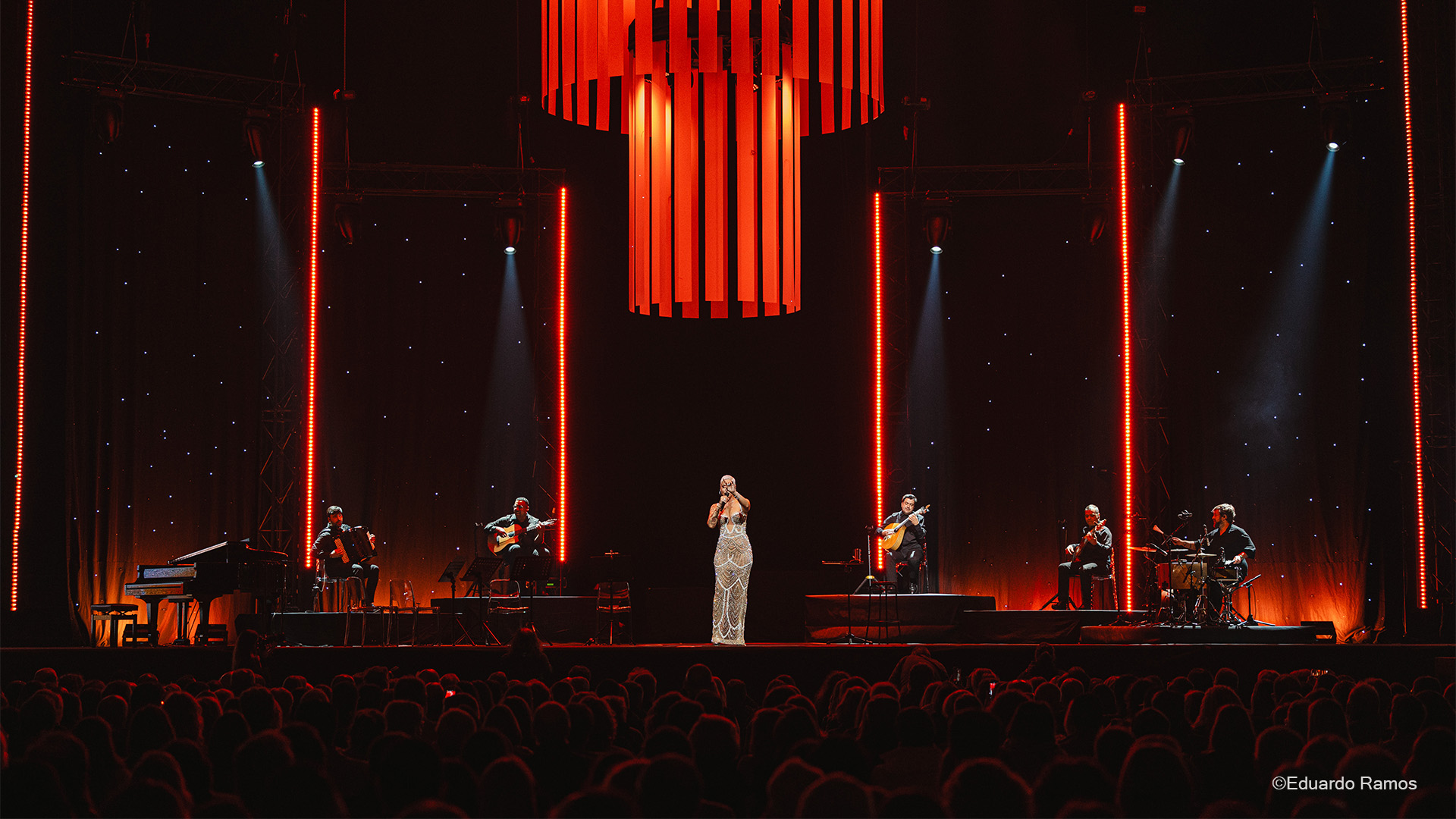
Fado
Fado is the most emblematic musical form of Portugal, often described as “the voice of the Portuguese soul.” Its name derives from the Latin “fatum,” meaning “fate.”
The genre originated in the early 19th century in the port districts of Lisbon, where sailors, migrants, and working-class communities expressed longing, separation, and hardship through song. Over time, these mournful yet romantic melodies evolved—shaped by African rhythms, Brazilian modinhas, Moorish influences, and European salon music—into what we now recognize as the distinctive sound of Fado.
At the heart of Fado lies “saudade”—a uniquely Portuguese feeling of yearning, melancholy, and nostalgic longing. Singers convey themes of love, destiny, solitude, and longing with deeply expressive, resonant voices. The music is traditionally accompanied by the Portuguese guitarra (a 12-string pear-shaped lute) and a classical or acoustic guitar, creating a sound that is both plaintive and elegant.
More than a musical genre, Fado is a symbol of cultural identity and emotion, and in 2011 it was inscribed by UNESCO as Intangible Cultural Heritage of Humanity.
Historically, Amália Rodrigues, revered as the “Queen of Fado,” brought the genre to global prominence. Among today’s leading figures is Mariza, the Portuguese singer of Mozambican heritage, whose modern sensibility and eclectic musical influences have revitalized Fado for new generations—carrying its profound emotional spirit to audiences around the world.

你可能也喜歡

2026TIFA 法朵天后瑪麗莎演唱會

2026TIFA 女高音艾莎.德蕾西《心之女王》
美國鏡。臺灣聲─福爾摩沙四重奏
CO-mpás爵式佛朗明哥的華麗冒險
NCCE新古典室內樂團《聲景紀實音樂劇場-旗津白玫瑰.25紀事》2026英國巡演行前演出(國際巡演版)
《交響琴詩》準.馬寇爾、英格麗.芙莉特與NSO
2026臺南國際音樂節-城市共頻—尼可樂菁英藝術家系列 成田達輝X盧易之

KSAF《Formosa 音樂冒險王》高市國親子音樂會
2026TIFA 碧娜.鮑許烏帕塔舞蹈劇場《如石頭上的青苔》
